Finding Your Perfect Bonsai Tree:
When choosing your first bonsai tree, tree species selection can feel overwhelming. With hundreds of varieties available, narrowing down to the right bonsai tree tree match for your lifestyle requires understanding a few key factors.
Tree Selection Made Simple
Understanding Bonsai Tree
Tree Categories
Not all bonsai trees are created equal. Each bonsai tree tree variety has distinct care requirements, growth patterns, and aesthetic qualities that make them suitable for different environments and skill levels.
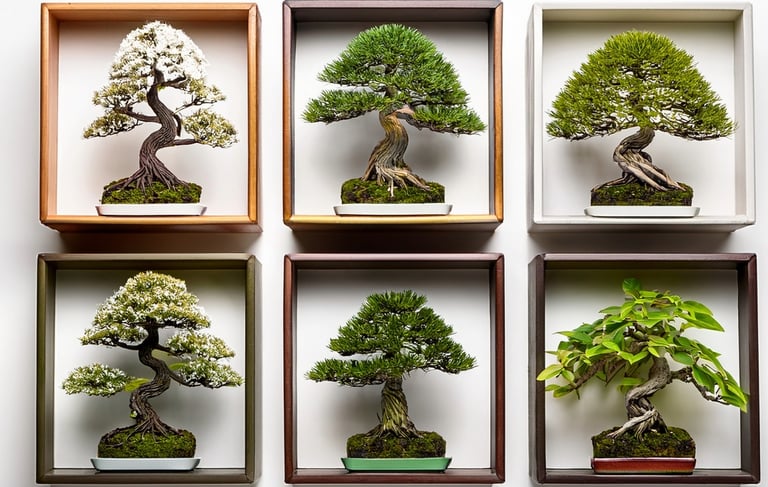
Indoor Bonsai Tree Tree Options:
Ficus species thrive indoors with consistent temperatures
Chinese elm adapts well to indoor conditions
Jade trees require minimal maintenance
Outdoor Bonsai Tree Tree Varieties:
Japanese maple offers stunning seasonal color changes
Juniper species provide year-round evergreen beauty
Pine varieties create classic windswept silhouettes
Matching Your Bonsai Tree
Tree to Your Experience Level
Beginner-Friendly Bonsai Tree Tree Species: Start with forgiving varieties that tolerate occasional care mistakes. Ficus and Chinese elm recover quickly from overwatering or underwatering, making them ideal first choices.
Intermediate Bonsai Tree Tree Challenges: Once comfortable with basic care, Japanese maple and juniper species offer more styling opportunities while remaining relatively manageable.
Advanced Bonsai Tree Tree Projects: Experienced enthusiasts often gravitate toward pine species and flowering varieties that demand precise timing and technique.

Considerations for Your Bonsai Tree
Tree size
Consider your available space when selecting your bonsai tree tree size:
Mame bonsai: Under 6 inches, perfect for desktops
Shohin bonsai: 6-10 inches, ideal for shelving displays
Chuhin bonsai: 10-18 inches, statement pieces for tables
Large bonsai: Over 18 inches, requires dedicated display area
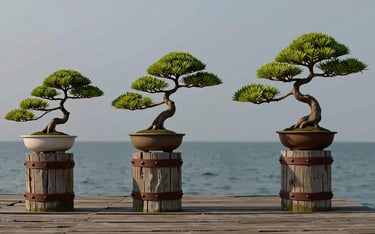
Matching Your Bonsai Care Requirements by Bonsai Tree
Tree Type
Beginner-Friendly Bonsai Tree Tree Watering Needs: Different bonsai tree tree species have varying moisture requirements. Tropical varieties need consistent humidity, while deciduous species prefer seasonal watering adjustments.
Light Requirements: Indoor bonsai tree tree placement depends on species-specific light needs. Most require bright, indirect light for 6-8 hours daily.
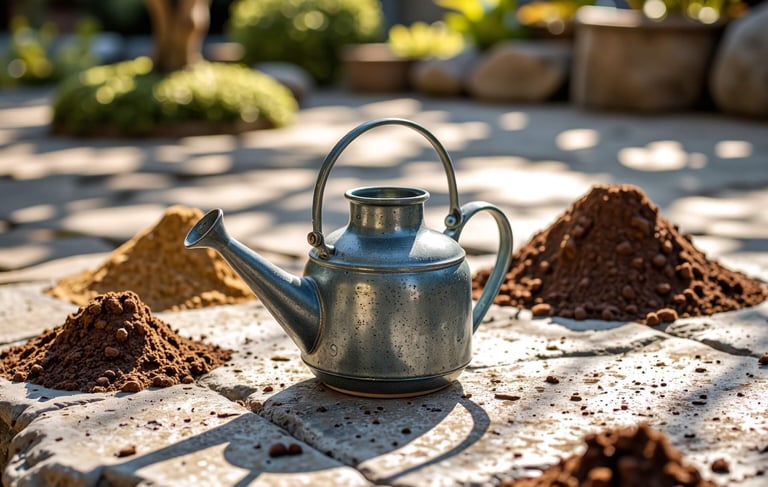
Soil Preferences: Well-draining soil mixtures prevent root rot across all bonsai tree tree varieties, though some species prefer slightly acidic or alkaline conditions.
Common Bonsai Tree Mistakes to Avoid
Overwatering: The leading cause of bonsai tree tree failure Wrong pot size: Restricts growth or provides inadequate stability
Improper pruning timing: Can stress or damage your bonsai tree tree Inadequate light: Results in weak, leggy growth
Where to Find Quality Bonsai Tree
Tree Specimens
Reputable nurseries offer healthy, well-established bonsai tree tree options with proper root development. Online retailers provide wider variety but require careful shipping consideration.
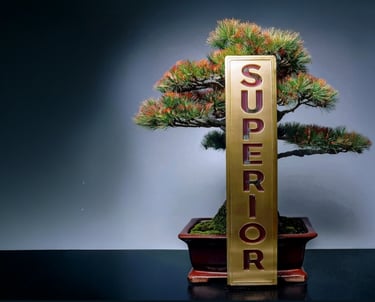
Selecting the right bonsai tree tree starts with honest assessment of your experience level, available space, and commitment to consistent care. Whether you choose a low-maintenance ficus or challenge yourself with a demanding pine variety, success comes from matching your bonsai tree tree choice to your circumstances.
Remember: every master started with their first bonsai tree tree. The journey of learning continues with each new specimen you add to your collection.
Care
Subscribe by email
© 2024. All rights reserved.
No information shared or sold. Used by Superior Bonsai only.






https://staging.reallivebonsai.us